Regulatory Shifts and Addiction Safeguards in Austria's Mobile Gaming Ecosystem
Geschrieben von Drew Lorenz · 18.8.2026
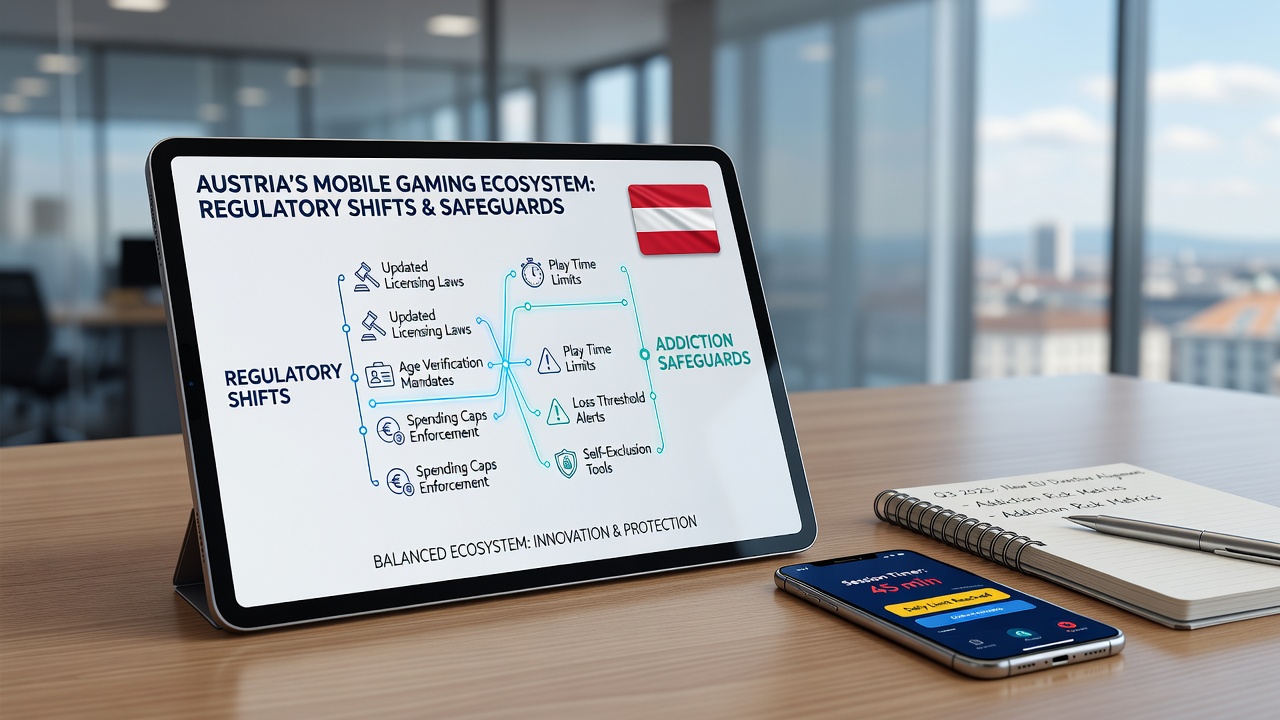
Regulatory Shifts and Addiction Safeguards in Austria's Mobile Gaming Ecosystem
Austria's mobile gaming sector has undergone substantial regulatory evolution in recent years, with authorities adjusting frameworks to address both technological advancements and public health considerations, and these changes continue to shape how operators deliver services while incorporating player protection mechanisms. Data from government reports indicates that mobile gaming participation has risen steadily since 2020, prompting updates to licensing requirements and operational standards that emphasize responsible access controls.
Key Developments in Austrian Gaming Legislation
The Austrian Gambling Act, known locally as the Glücksspielgesetz, forms the foundation for all gaming activities including those conducted via smartphones and tablets, while amendments introduced over the past decade have expanded oversight to digital platforms that operate across borders yet target Austrian users. Observers note that enforcement responsibilities fall primarily to the Federal Ministry of Finance, which issues licenses and monitors compliance through regular audits and reporting obligations. Regulations scheduled for implementation in August 2026 introduce stricter verification protocols for mobile applications, requiring real-time identity checks that integrate with national databases to prevent underage participation and unauthorized accounts.
These upcoming measures build on earlier directives that limited advertising exposure during certain hours and mandated clear disclosure of odds and payout percentages within app interfaces, and industry data shows compliance rates exceeding 90 percent among licensed providers as of early 2025. One analysis conducted by European regulatory bodies revealed that such transparency requirements correlate with reduced complaint volumes regarding unexpected losses in mobile formats.
Addiction Prevention Tools and Their Integration
Player protection features have become mandatory elements in Austrian mobile gaming applications, including deposit limits, session time reminders, and self-exclusion options that operators must offer at account creation and throughout active use. Research from academic institutions in neighboring EU member states indicates these tools see higher engagement when presented through in-app notifications rather than external portals, leading Austrian regulators to standardize their placement and accessibility. Operators must maintain records of user interactions with these safeguards, submitting aggregated statistics quarterly to demonstrate effectiveness in curbing excessive play patterns.
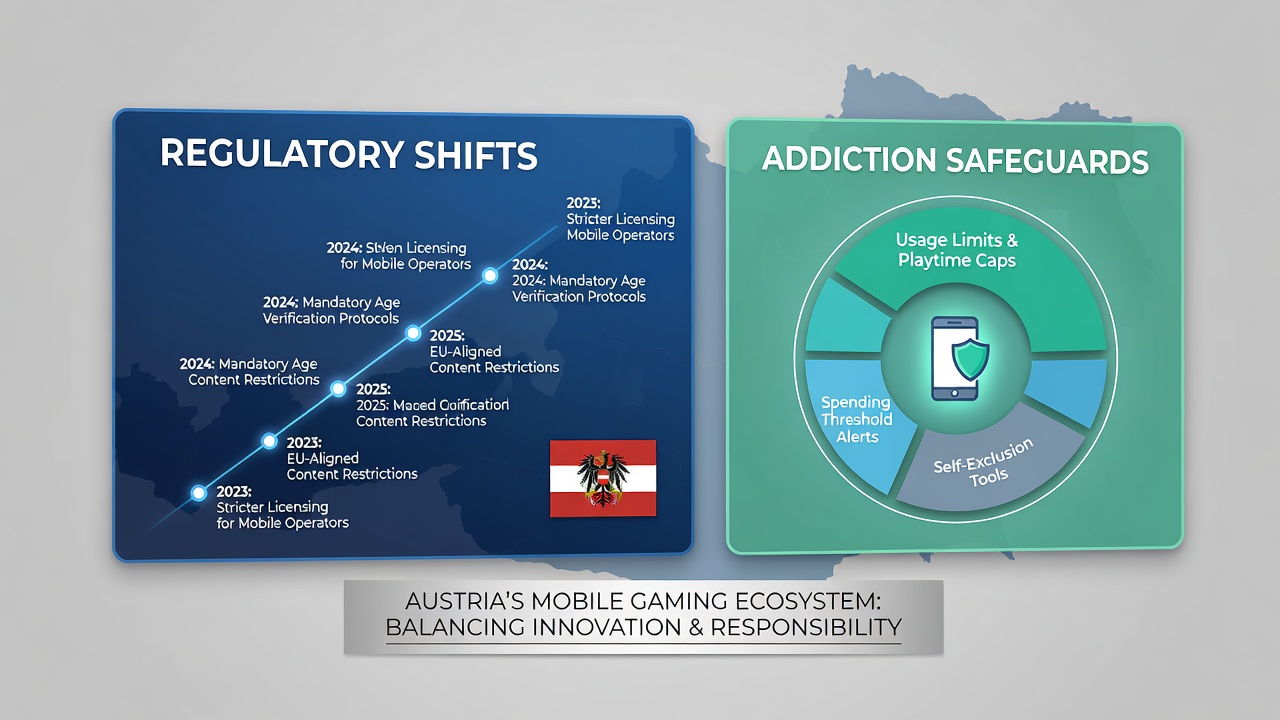
External support networks receive funding allocations tied to licensing fees, enabling organizations focused on behavioral addiction to provide counseling services tailored to digital gaming habits. Figures from the Austrian Centre for Addiction Research highlight that helpline contacts related to mobile gaming increased by 15 percent between 2023 and 2024, underscoring the need for continued refinement of early intervention strategies. Those who study these trends often point to mandatory training programs for customer support staff, ensuring they can identify signs of problematic behavior and direct users toward available resources without delay.
Comparative Insights from International Approaches
Austria's model draws partial influence from frameworks in other regions, such as Australia's National Consumer Protection Framework for Online Wagering, which emphasizes uniform harm minimization standards across states, and Canadian provincial initiatives that link gaming revenues directly to treatment program funding. According to reports published by the Austrian Federal Ministry of Finance, these cross-jurisdictional observations have informed the design of centralized monitoring systems that track player activity across multiple operators to detect potential risk escalation. Such systems allow for automated alerts when spending thresholds are approached, a feature that aligns with broader European efforts to harmonize digital consumer protections.
Additional data compiled by the Australian Institute of Criminology demonstrates that integrated exclusion lists spanning land-based and online venues produce measurable reductions in repeat high-risk behaviors, prompting similar database linkages within Austria's regulatory updates. Implementation timelines for these connections remain under review ahead of the 2026 milestones, with pilot programs already testing interoperability between mobile platforms and national self-exclusion registries.
Monitoring, Compliance, and Future Outlook
Enforcement mechanisms include periodic mystery shopping exercises conducted by independent reviewers who assess whether mobile apps deliver required warnings and limit-setting options without friction, and non-compliant operators face graduated penalties ranging from corrective orders to license suspensions. Studies issued by university research centers across the EU document that consistent application of these standards contributes to stable market conditions while maintaining focus on harm reduction metrics. Those monitoring the sector anticipate that August 2026 will mark a consolidation point where accumulated compliance data informs the next round of refinements, particularly around artificial intelligence tools used for behavioral pattern analysis.
Conclusion
Austria continues to refine its approach to mobile gaming through layered regulations that balance market access with structured safeguards against addiction, incorporating lessons from both domestic implementation and international examples. The emphasis on verifiable tools, transparent operations, and coordinated support services positions the ecosystem for sustained adaptation as technology and user behaviors evolve. Ongoing data collection will determine how effectively these measures achieve their intended outcomes in protecting participants while supporting legitimate industry growth.